Pallet-to-Person Picking
Autonomous pallet-to-person robots deliver pallets directly to pickers, reducing travel time and errors. A single control layer orchestrates multi-vendor pallet picking systems for scalable, high-throughput warehouse operations.
Obstacles
Challenges in pallet-based warehouse picking
Mixed pallet complexity
Handling full pallets, mixed pallets, and case picks slows pallet picking and increases errors as assortment and load complexity grow.
Mixed pallet complexity
Handling full pallets, mixed pallets, and case picks slows pallet picking and increases errors as assortment and load complexity grow.
Manual pallet positioning delays
Manual scanning and pallet alignment delay workstation presentation, increasing cycle times and limiting continuous pallet picking throughput.
Manual pallet positioning delays
Manual scanning and pallet alignment delay workstation presentation, increasing cycle times and limiting continuous pallet picking throughput.
Outbound peak congestion
During peak volumes, manual pallet movement creates forklift congestion, queues, and staging bottlenecks, leading to SLA risks.
Outbound peak congestion
During peak volumes, manual pallet movement creates forklift congestion, queues, and staging bottlenecks, leading to SLA risks.
Inefficient use of vertical pallet storage
High-bay racking is designed for storage, not fast picking. Manual retrieval from upper levels increases travel time, reduces pick frequency, and adds safety constraints.
Inefficient use of vertical pallet storage
High-bay racking is designed for storage, not fast picking. Manual retrieval from upper levels increases travel time, reduces pick frequency, and adds safety constraints.
Limited flexibility in pallet operations
Traditional pallet workflows rely on fixed processes. Changing routes, priorities, or capacity often requires manual coordination, slowing response to demand.
Limited flexibility in pallet operations
Traditional pallet workflows rely on fixed processes. Changing routes, priorities, or capacity often requires manual coordination, slowing response to demand.
Throughput capped by safety constraints
Safety-driven limits on pallet flow and buffering reduce effective throughput at picking stations, creating idle time even during high-demand periods.
Throughput capped by safety constraints
Safety-driven limits on pallet flow and buffering reduce effective throughput at picking stations, creating idle time even during high-demand periods.
Solution
How Pallet-to-Person solves warehouse challenges
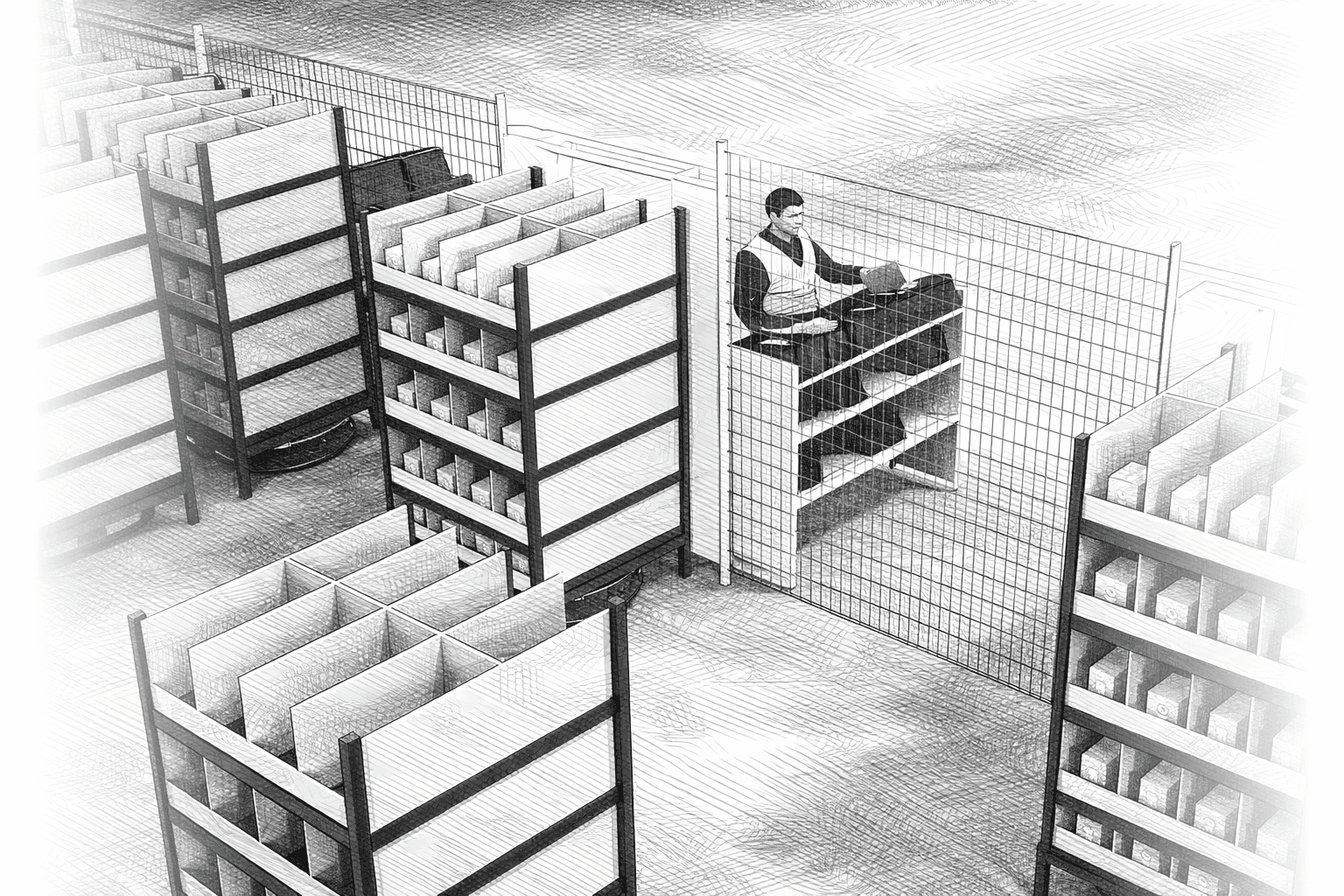
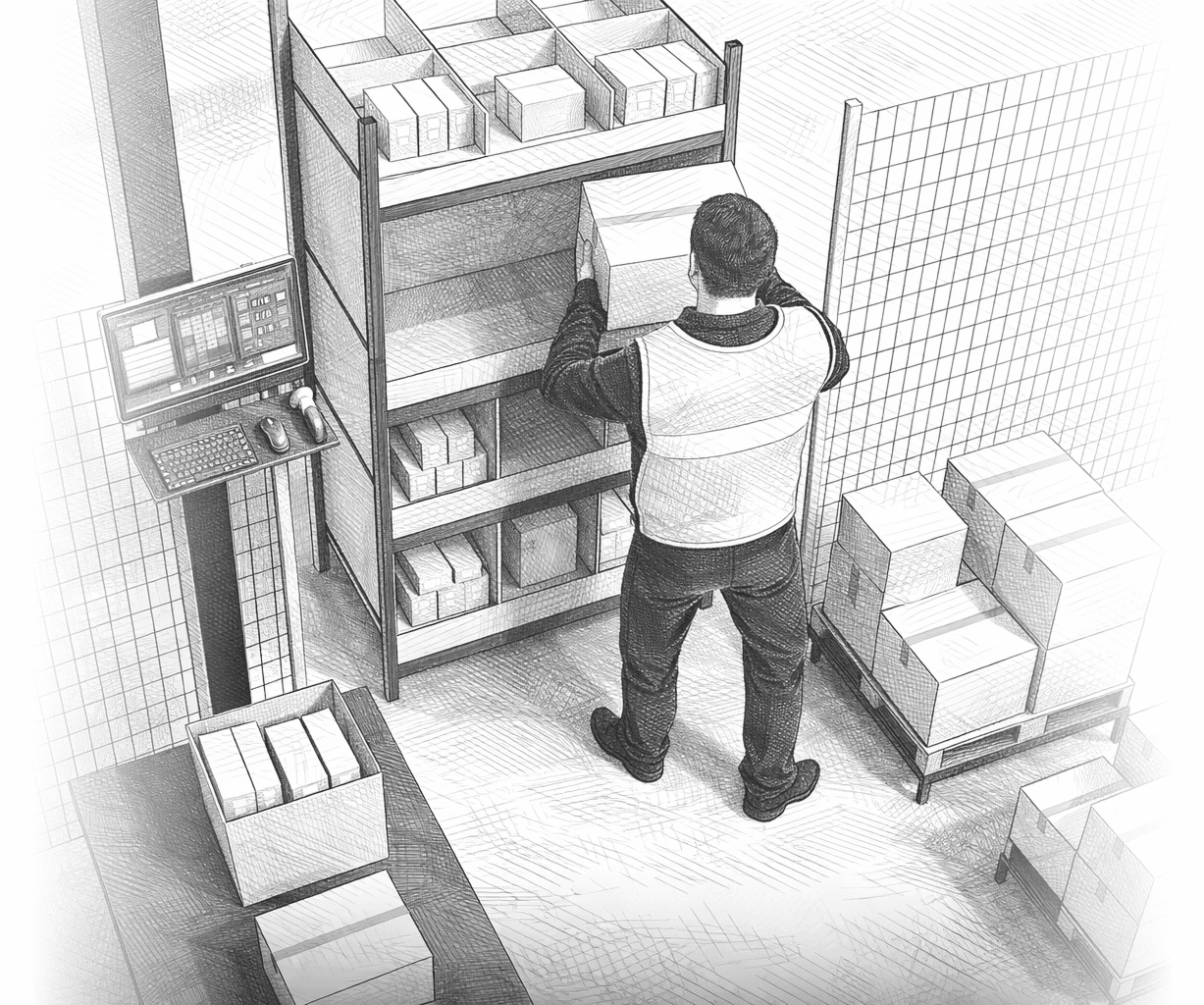
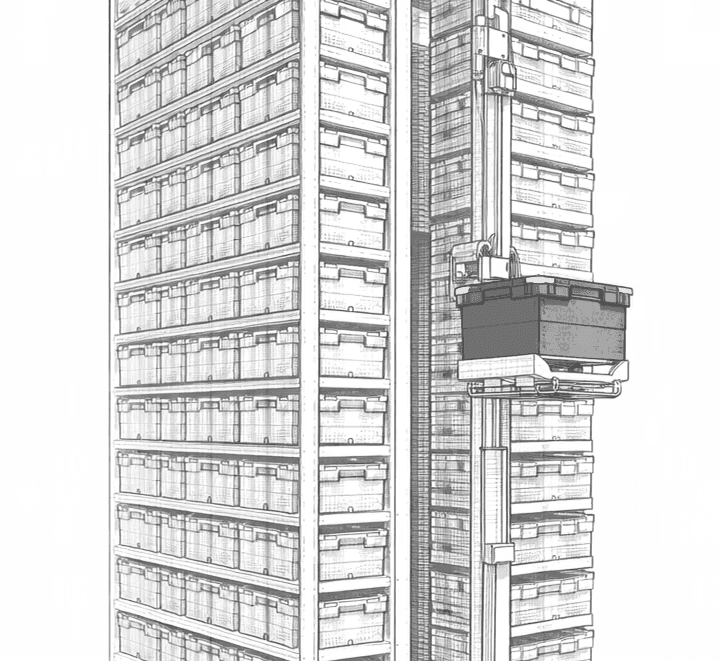
Scalable pallet flow during peak volumes
Orchestrated robot fleets increase pallet throughput during outbound peaks without adding forklifts, congestion, or costly workflow changes.
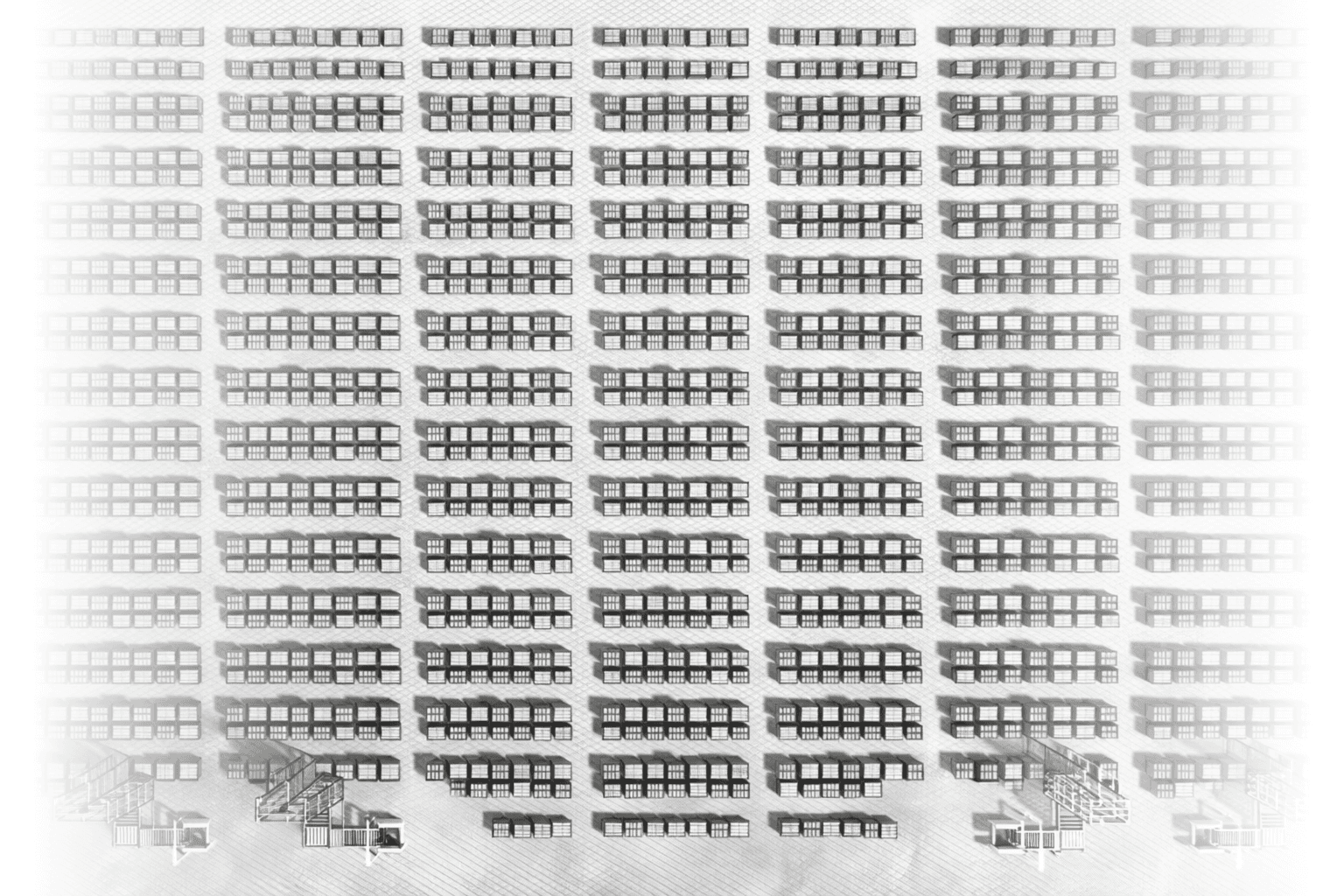
Scalable pallet flow during peak volumes
Orchestrated robot fleets increase pallet throughput during outbound peaks without adding forklifts, congestion, or costly workflow changes.
Scalable pallet flow during peak volumes
Orchestrated robot fleets increase pallet throughput during outbound peaks without adding forklifts, congestion, or costly workflow changes.
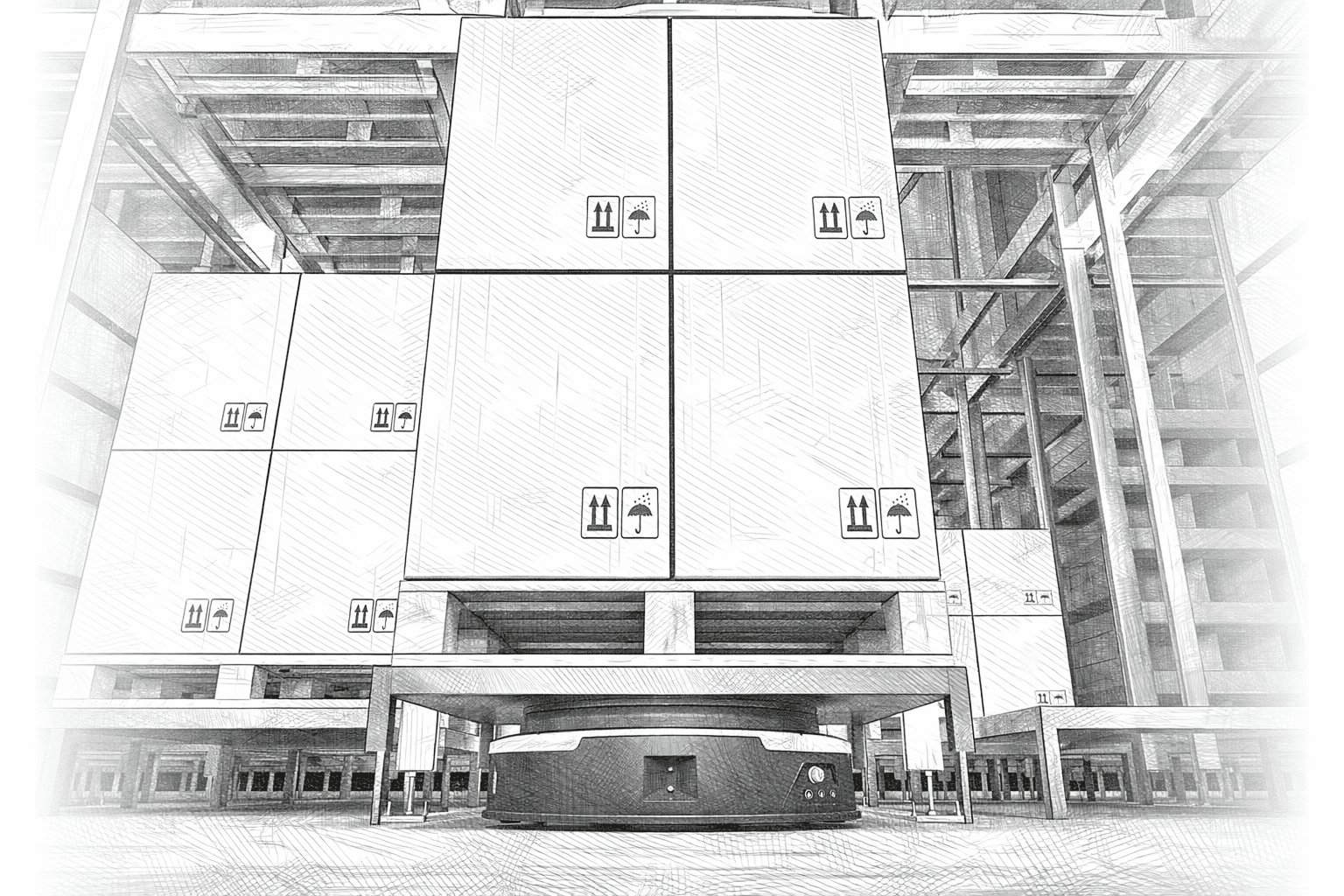
Predictable pallet operations under full control
A centralized execution layer allows pallet operations to adapt to change while maintaining visibility, stability, and control as volumes and complexity grow.
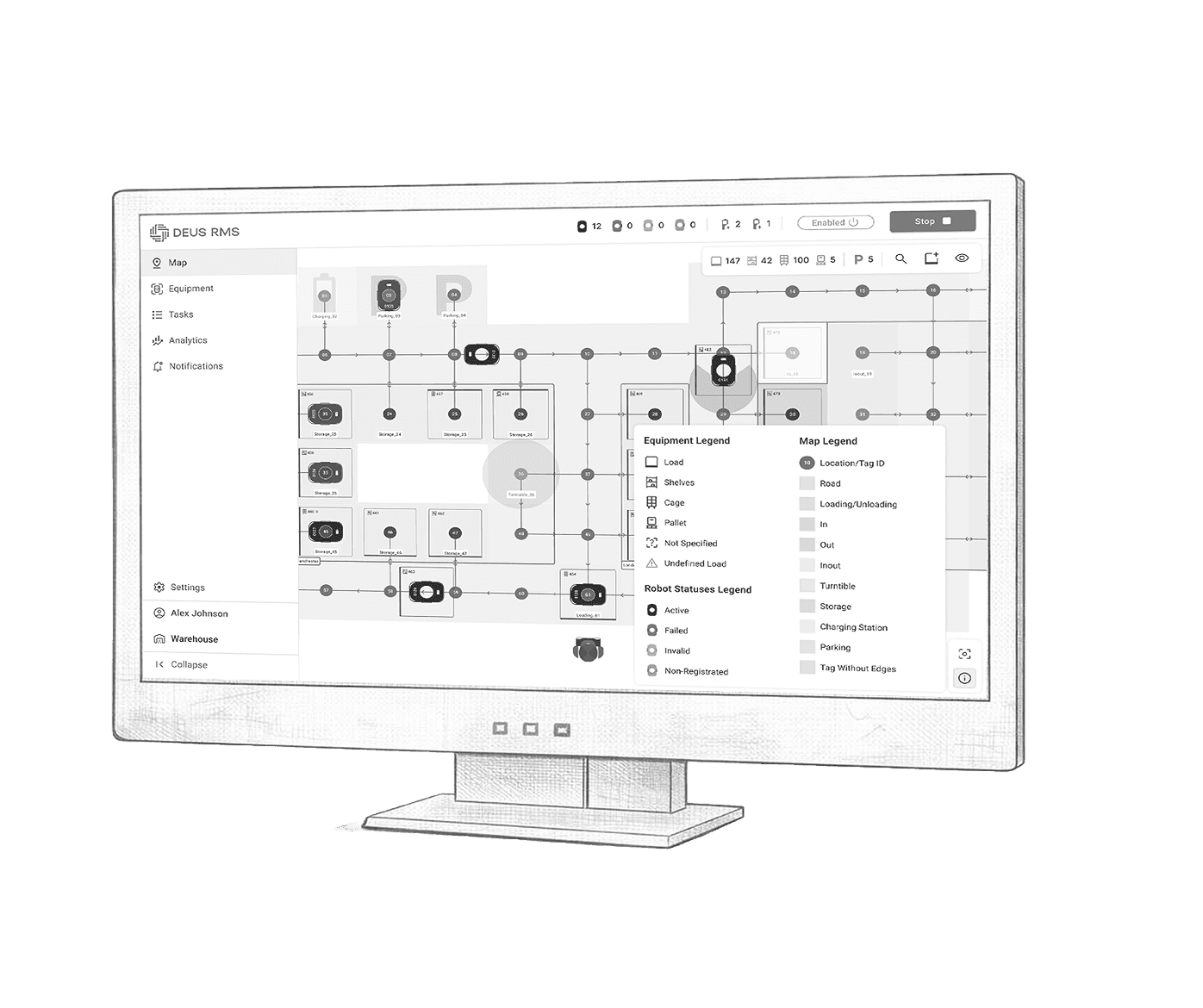
Predictable pallet operations under full control
A centralized execution layer allows pallet operations to adapt to change while maintaining visibility, stability, and control as volumes and complexity grow.
Predictable pallet operations under full control
A centralized execution layer allows pallet operations to adapt to change while maintaining visibility, stability, and control as volumes and complexity grow.
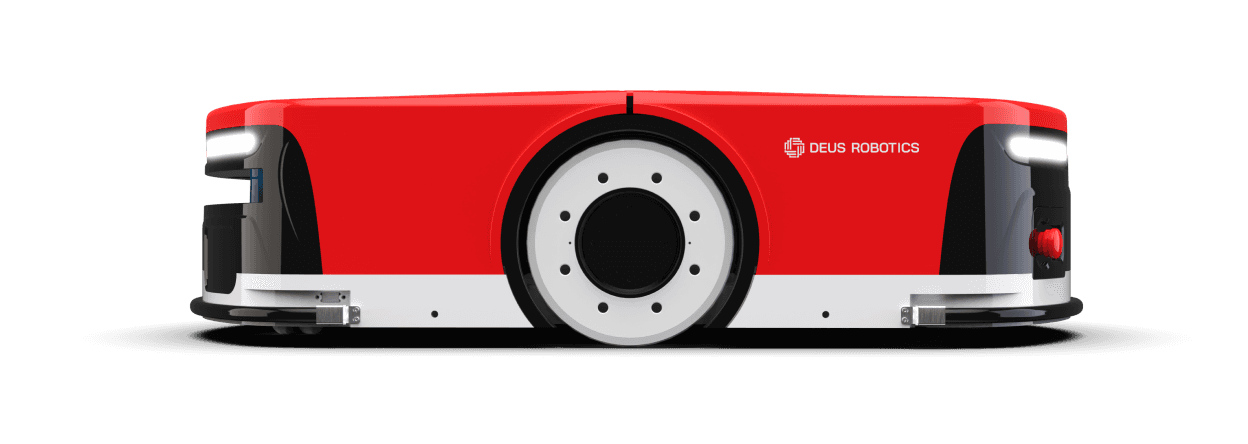
Robot Catalog
QF-1000D
QF-1000D
F4-2000
F4-2000
Q3-600
Q3-600
PUDU MP2000
PUDU MP2000
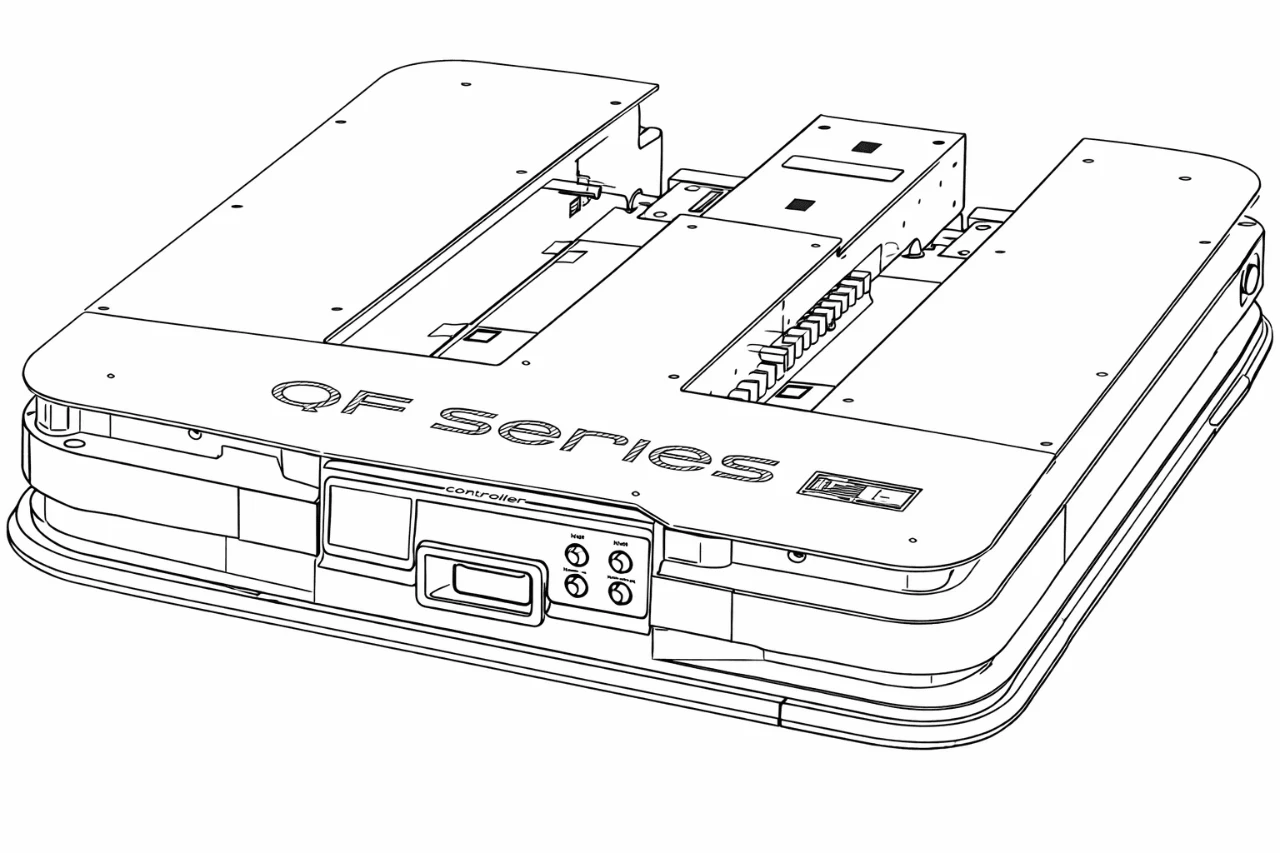
334 kg
Weight
1640 mm
Turning Diameter
1000 kg
Rated Load
1200 mm
190 mm
1250 mm
QF-1000D
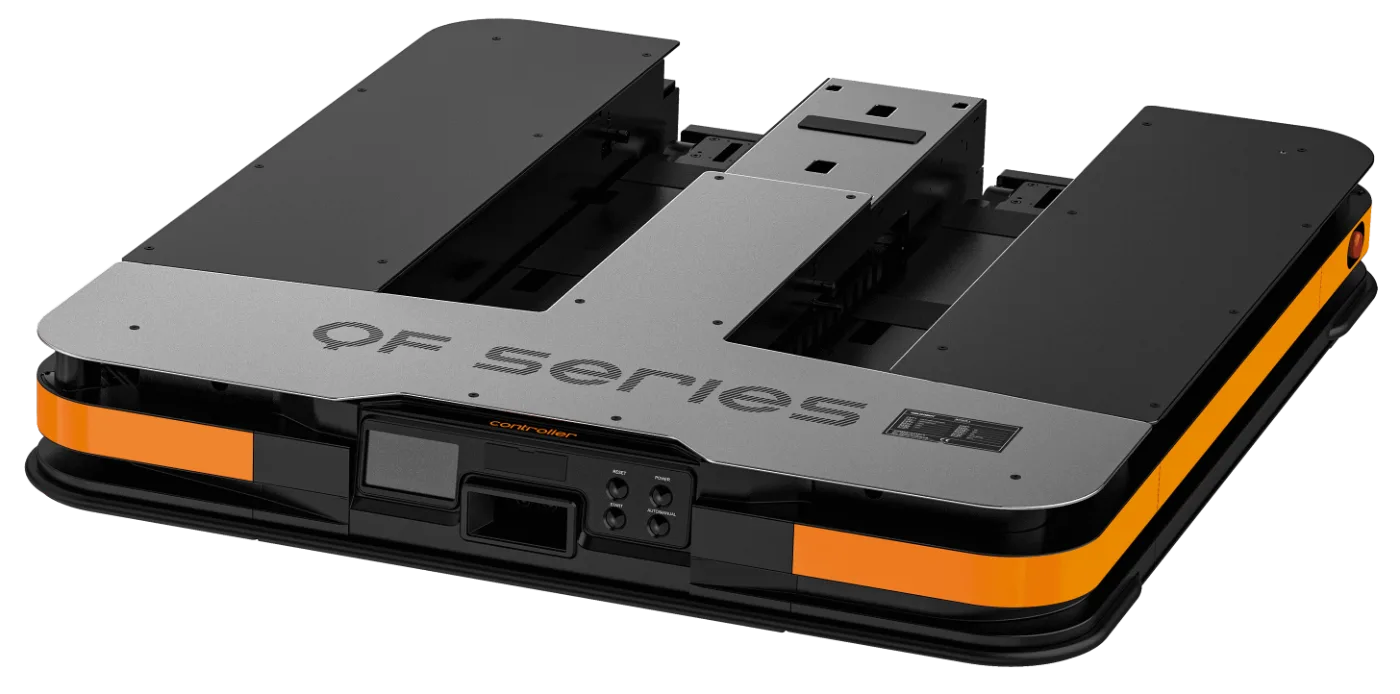
SLAM
Navigation
6-8 hours
Run Time
Rated Speed
1.8-2 m/s
Positioning Accuracy
± 10 mm
Charging Time
≤1.5 hrs
Robot Catalog
QF-1000D
QF-1000D
F4-2000
F4-2000
Q3-600
Q3-600
PUDU MP2000
PUDU MP2000
334 kg
Weight
1640 mm
Turning Diameter
1000 kg
Rated Load
1200 mm
190 mm
1250 mm
QF-1000D
SLAM
Navigation
6-8 hours
Run Time
Rated Speed
1.8-2 m/s
Positioning Accuracy
± 10 mm
Charging Time
≤1.5 hrs
Robot Catalog
QF-1000D
QF-1000D
F4-2000
F4-2000
Q3-600
Q3-600
PUDU MP2000
PUDU MP2000
334 kg
Weight
1640 mm
Turning Diameter
1000 kg
Rated Load
1200 mm
190 mm
1250 mm
QF-1000D
SLAM
Navigation
6-8 hours
Run Time
Rated Speed
1.8-2 m/s
Positioning Accuracy
± 10 mm
Charging Time
≤1.5 hrs
Contact us
No two warehouses are the same – high customization is the key
This portfolio shows only a fraction of what’s available; we source, combine, and orchestrate any robot models through Deus RMS to fit your workflows and performance targets

Industries
Designed for diverse warehouse operations
Pallet-to-Person approach, adapted to different industries, order profiles, and operational constraints.

SKU complexity: High


SKU complexity: High

SKU complexity: High
Results
Measurable business impact
Pallet-to-person automation improves throughput, space utilisation, and cost predictability by eliminating manual pallet movement and forklift-driven bottlenecks.
Performance impact
Up to 400%
Higher storage density
Up to 400%
Higher storage density
4-5 times
Higher picking efficiency. More orders processed with the same workforce
4-5 times
Higher picking efficiency. More orders processed with the same workforce
Up to 300
Pallet or tote presentations per hour at a single MIX workstation
Up to 300
Pallet or tote presentations per hour at a single MIX workstation
200-300%
Overall efficiency gain. Significant productivity uplift versus manual picking
200-300%
Overall efficiency gain. Significant productivity uplift versus manual picking
Operational impact
Increased picks per operator
Higher picks per hour with less physical strain, allowing teams to focus on value-added tasks instead of walking and handling.
Increased picks per operator
Higher picks per hour with less physical strain, allowing teams to focus on value-added tasks instead of walking and handling.
Higher space utilization
Dense storage layouts and reduced aisle requirements enable higher throughput without warehouse expansion.
Higher space utilization
Dense storage layouts and reduced aisle requirements enable higher throughput without warehouse expansion.
Predictable peak performance
Stable output during seasonal peaks and demand spikes, protecting SLAs and outbound schedules
Predictable peak performance
Stable output during seasonal peaks and demand spikes, protecting SLAs and outbound schedules
Lower operational risk
Reduced reliance on manual coordination and forklifts lowers congestion, safety risks, and scaling friction as volumes grow.
Lower operational risk
Reduced reliance on manual coordination and forklifts lowers congestion, safety risks, and scaling friction as volumes grow.